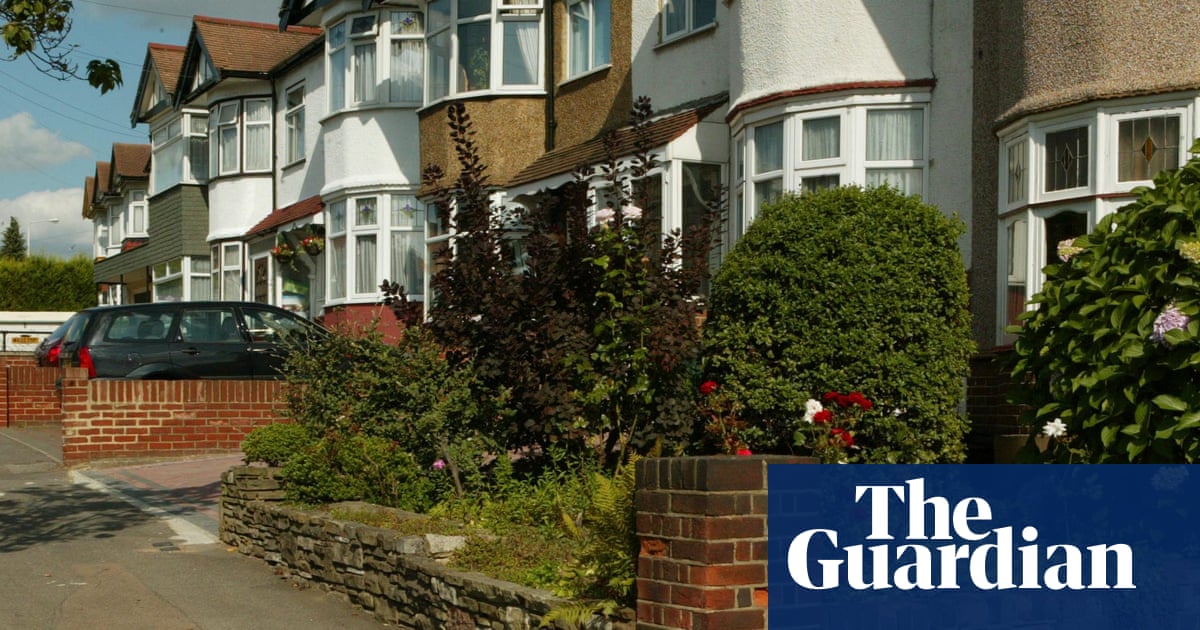
A year-long field study conducted in two London neighbourhoods has found that front gardens with hedges and dense planting can reduce local air pollution and keep summer temperatures down, according to The Guardian. Researchers measured pollution levels in eight gardens situated beside busy roads, one group roughly 10 metres from the North Circular Road and another about 15 metres from a heavily used road in the east of the city. The work is described as the first study of its kind.
The results, reported by The Guardian, showed that the most heavily planted garden recorded particle pollution up to 80% lower than gardens that had been paved over. Gardens that kept their lawns also maintained low and steady pollution readings. Paved gardens came out worst on both counts, registering the highest temperatures and the highest pollution levels, with summer heat reaching up to 6C above that of well-vegetated gardens.
Why it matters
Gardens are a large share of the urban surface in the UK, and their condition has a direct bearing on the streets around them. The Guardian reports that the country's 26 million gardens make up close to 5% of its total land area, a figure that rises sharply in cities. Domestic gardens account for 41% of Greater London, compared with 27% of Cardiff and 23% of Edinburgh.
The study adds a practical dimension to what is already known about gardens. Earlier research has linked them to better mental health, support for wildlife and help with flooding, and The Guardian notes that work from the 1980s found surgical patients with a view of trees from their hospital windows recovered more quickly. The new findings suggest that what residents do with the strip of ground in front of their homes can also shape the air they breathe and the heat they experience.
How plants intercept pollution
The researchers attribute the effect to the way vegetation changes the movement of air near roads. Hedges, shrubs and trees can disrupt the flow of pollution drifting from traffic, and leaves capture particles on their surfaces. Gaseous pollutants can also be taken in through pores in the leaves, according to the study.
The benefits were not uniform across the year. The Guardian reports that while the gardens shielded homes from nearby traffic pollution, they offered less protection in spring, when pollution from agriculture and farming can spread over wide areas.
Prof Prashant Kumar of the University of Surrey, who coordinated the research, told The Guardian that the cooling effect stood out. He said that with the UK's recent hot summers, retaining plants in front gardens could make a meaningful difference, especially on hot nights. He added that a hedge at the front of a home can improve air quality close by, and that if pollution is reduced immediately outside a property, it is reasonable to expect less of it to get inside.
Dr Karina Corada-Pérez of the University of East London, the study's first author, said the message was straightforward: gardens should stay green wherever that is possible. She acknowledged the pressure homeowners face to pave over front gardens, citing the appeal of low-maintenance surfaces and the need for off-street parking.
She told The Guardian there was a clear opening to design front gardens that serve household needs while keeping plants in place. Her call was for guidance and incentives that weigh parking, accessibility and upkeep against the health, climate and environmental gains of greener front gardens.
What to watch
The study's authors are pressing for policy support rather than leaving the choice to individual households. Whether councils and national government take up the call for guidance and incentives, and whether paving trends in London and other UK cities shift as a result, is the next thing to watch.